
Tooth Extractions Near Huber Heights, OH
If a tooth can’t be saved, we’ll explain a simple, comfortable next step so you get relief and know the plan.

Start Here
If you may need a tooth removed, we're easy to reach from Huber Heights — about 15 minutes via OH-235 south to Fairborn. Start with an exam and X-rays if needed. We'll explain the issue, confirm the plan, and go over your options. We try to save teeth when we can. If extraction is best, it will be simple, gentle, and predictable.

When You May Need a Tooth Pulled
You May Need a Tooth Pulled If You Have:
constant or severe tooth pain, especially when chewing
swelling of the gums, face, or jaw
a bad taste or pus near a tooth
a broken tooth or one that keeps cracking
deep decay that can’t be fixed
a loose tooth from gum disease or bone loss
wisdom tooth pain or repeated swelling at the back of the mouth
Patients from Huber Heights often come to us after putting off a painful tooth for too long and finally wanting a clear answer.
Important: If facial swelling gets worse quickly, or you have fever, trouble swallowing, or trouble breathing, seek urgent medical care.
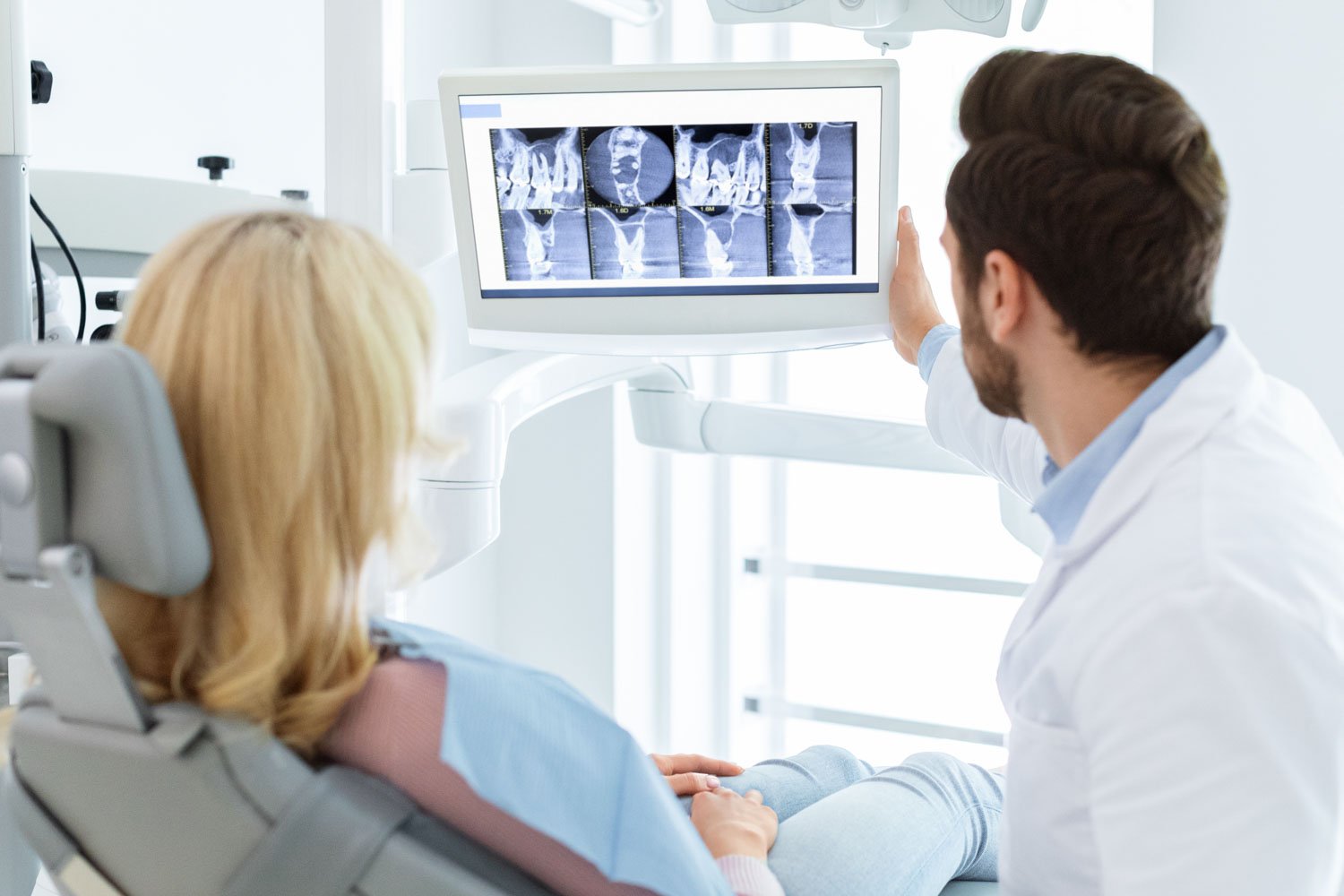
What to Expect During Your Visit
Most Extraction Visits Go Like This:
Check the problem (exam and X‑rays if needed)
Numb you and make sure you’re comfortable
Remove the tooth carefully
Explain at-home care
Talk about replacement options, if you want
Same-day extractions may be possible depending on your case and our schedule. If not, we’ll manage pain and plan the next step.
Whether you're driving from Huber Heights or closer by, your visit follows the same clear, calm process.
Why Patients Near Huber Heights Choose Us for Tooth Extractions
We see a lot of Huber Heights patients who want to know exactly what's happening before anything begins.
Thorough Numbing and Comfort Checks
We make sure you are numb and comfortable before moving forward.
Clear Communication at Every Step
We talk you through the plan so you know what to expect during and after the visit.
Safe, Careful Planning
If your case needs imaging or added evaluation, we use that information to plan with care.
A Caring, Calm Environment
Our goal is to make the process feel more manageable with a clean space and supportive team.
Aftercare Basics (Quick)
Most patients do well with a few simple steps:
Bite on gauze as directed to control bleeding
For the first 48 hours: no straws, no smoking or vaping, and no vigorous rinsing or spitting
Soft foods and water at first
Call us if bleeding will not slow, swelling worsens after day two, or you have fever
Most of our Huber Heights patients are back to their normal routine within a day or two.
Costs and Payment Options
Cost depends on which tooth, complexity, and whether additional steps are needed for safe care and healing. If cost is a concern, we work with patients from Huber Heights and the surrounding area to find a workable path forward.
You’ll receive a written estimate before treatment begins.
Dental insurance: We help you understand your benefits and estimated out-of-pocket costs.
No insurance: Ask about our Dental Savings options.
Larger treatment plans: Dental Financing and monthly payment options may be available.
Tooth Extraction FAQs
Does an extraction hurt?
How long does an extraction appointment take?
What is the difference between a simple and surgical extraction?
Can I get a same-day extraction?
If I have an infection, do I need antibiotics first?
How much bleeding is normal after an extraction?
How do I avoid dry socket?
What can I eat after an extraction?
When can I return to work or exercise?
Can I drive myself home?
Do I need to replace the tooth afterward?
If I want an implant later, is there anything to plan now?
Ready for Relief?
If you're in pain or need a tooth pulled, we'll promptly assess the situation and give you a clear, straightforward plan to get you comfortable and moving forward.